Background
AECC had a smoking cessation app — but it wasn't working. Negative reviews, high uninstallation rates, and low engagement signalled a product that was failing the very people it was designed to help.
The opportunity: integrate AECC's proven face-to-face cessation method — which had an 85% engagement rate — directly into the digital product.
"The offline cessation method had an 85% engagement rate. The app had to earn the same trust."
Research
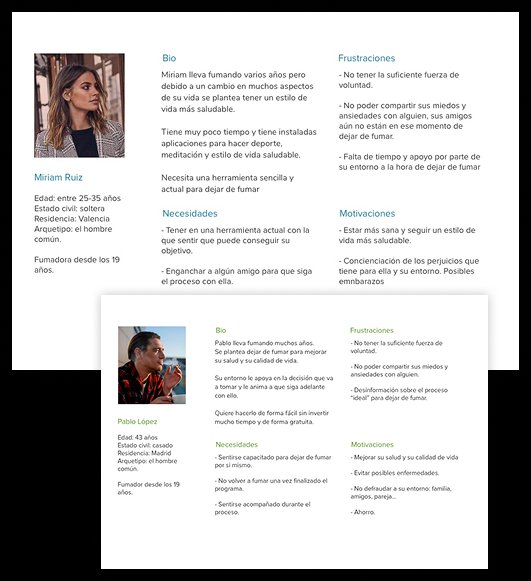
10 user interviews revealed two distinct profiles with different motivations and frustrations — both needing flexibility in their reduction plan and visibility into their progress across health, savings, and trigger awareness.
Process — Information architecture
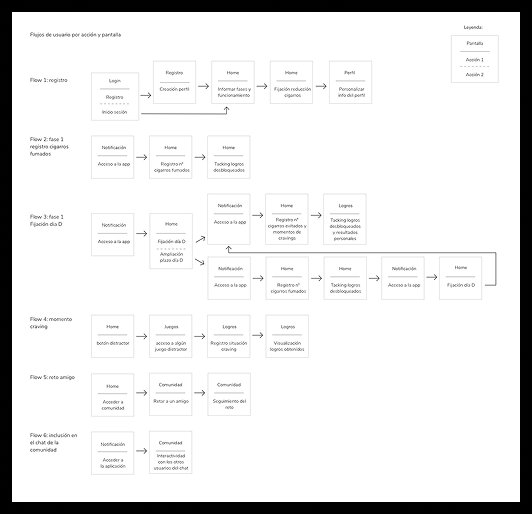
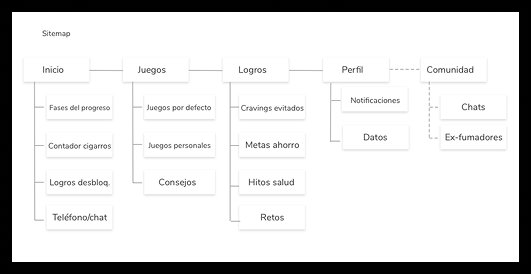
The IA work mapped 6 core user flows — from onboarding and cigarette tracking through craving moments, social challenges, and community features. Each flow was validated with the client before moving to wireframes.
Design challenge — Visual identity
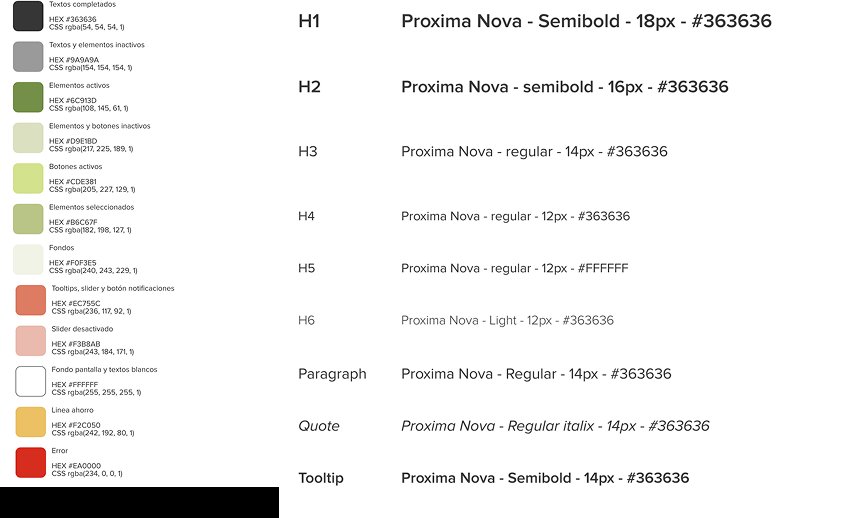
AECC had no established visual identity for digital products. Everything was built from scratch — a colour system meeting accessibility standards, a full typography scale, component library, icons, and custom illustrations for the app's mascot and games.
Final screens
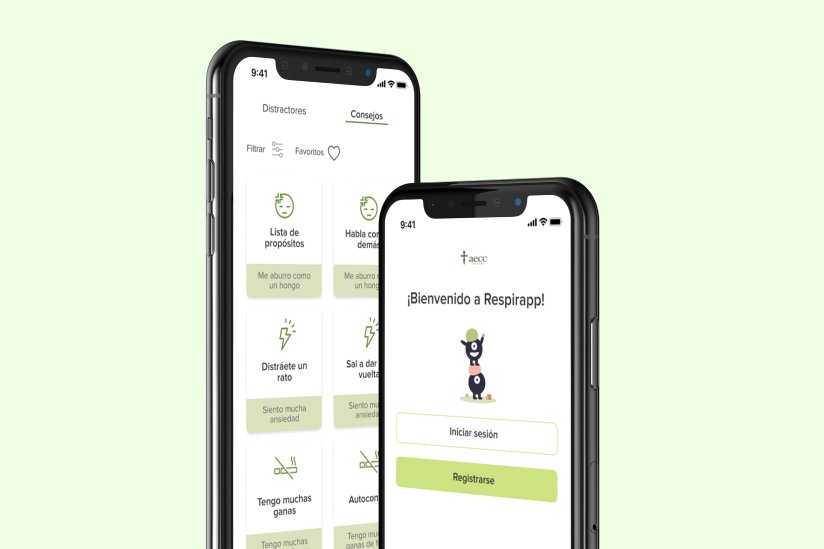
The final high-fidelity screens delivered the full cessation journey — from the branded welcome screen with AECC's custom mascot, through distraction tools designed around craving moments, to progress dashboards tracking health milestones, savings, and achievements.
Outcomes
Fully validated interactive prototype delivered — covering the complete user journey from onboarding through cessation milestones.
Complete UI kit built from scratch — the first coherent digital design system for AECC's product suite.
Adaptive reduction system designed to meet users where they are — replacing the one-size-fits-all approach that was driving uninstalls.
Asociación Española Contra el Cáncer
AECC is Spain's leading non-profit organization dedicated to the fight against cancer. It works across research, prevention, information dissemination, and direct support for patients and their families. Its mission is to reduce cancer's impact on society by promoting prevention, driving research, and providing services to those affected.